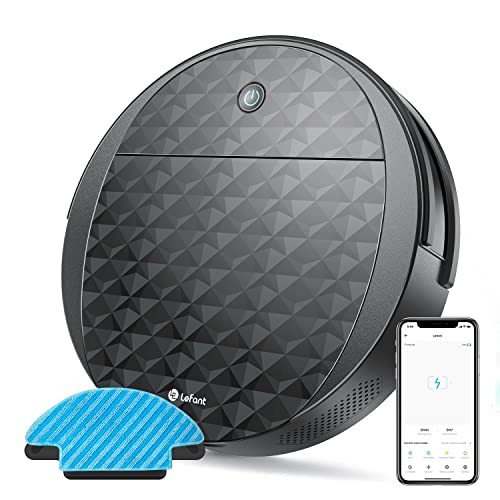
Robot Vacuum Cleaners: The Future of Home Cleaning
In today's busy world, where time frequently comes at a premium, robot vacuum cleaners have emerged as a game-changer in home upkeep. Designed to automate the tedious job of vacuuming, these home appliances continue to gain appeal amongst house owners seeking benefit and performance. This article explores the different elements of robot vacuum cleaners, highlighting their functions, advantages, and the aspects to consider before acquiring one.
What is a Robot Vacuum Cleaner?
Robot vacuum are autonomous devices that browse throughout the home, utilizing sensors and navigation technologies to tidy floors while decreasing human intervention. Unlike standard vacuum cleaners, robot vacuums are designed to run separately, going back to their charging station when they need to dock and recharge. The combination of smart innovation also allows these gadgets to be controlled through smartphone applications or clever home systems.
Functions of Robot Vacuum Cleaners
The capabilities of robot vacuum cleaners have actually expanded considerably for many years. Here are some common features found in modern-day models:
- Suction Power: Varies among designs, with some providing high suction for deep cleaning carpets.
- Navigation Technology:
- Lidar (Light Detection and Ranging)
- Camera-based navigation
- Gyroscope sensing units
- Smart Home Integration: Compatible with virtual assistants like Amazon Alexa and Google Assistant.
- Set up Cleaning: Allows users to set particular times for the vacuum to operate autonomously.
- Self-Emptying Dust Bins: Some models feature a base that instantly clears the device's dustbin.
- Multi-Surface Capability: Suitable for both carpets and hard floors.
- Anti-Tangle Design: Brushes that reduce tangling with hair or strings.
- Virtual Boundaries: Users can set barriers so that the robot prevents particular areas or rooms.
Advantages of Using Robot Vacuum Cleaners
The popularity of robot vacuum cleaners can be attributed to numerous key benefits:
- Time-Saving: Automating the vacuuming procedure frees up valuable time.
- Efficient Cleaning: Many robot vacuums can reach under furniture where conventional vacuums might have a hard time.
- Consistency: Robot vacuums can be configured to clean frequently, ensuring that areas are kept without much effort.
- Smart Features: The capability to arrange cleanings or manage the gadget by means of an app improves user convenience.
- Versatility: Most designs can adjusting cleaning methods based upon the surface type.
Considerations When Choosing a Robot Vacuum Cleaner
Despite their numerous advantages, prospective buyers must consider a number of factors to guarantee they select the right robot vacuum cleaner for their needs:
- Home Size and Layout: Larger homes may require models with powerful batteries and advanced navigation.
- Type of Flooring: Some models perform better on carpets, while others stand out on difficult floorings.
- Family pets: Homeowners with family pets need to try to find designs developed to handle animal hair and dander.
- Budget: Robot vacuums range widely in rate, from budget models to high-end gadgets with advanced functions.
- Upkeep: Consider the cost of replacing filters and brushes, and the ease of cleaning the device itself.
- Sound Level: Some designs run silently while others can be disruptive during cleaning cycles.
Popular Robot Vacuum Models
To aid potential purchasers, the following table lays out some popular robot vacuum designs together with their crucial features and cost varieties:
| Model | Suction Power | Navigation Type | Smart Home Compatible | Average Price |
|---|---|---|---|---|
| iRobot Roomba i7+ | High | Lidar + Camera | Yes | ₤ 799 |
| Roborock S7 | Moderate | Lidar | Yes | ₤ 649 |
| Neato D7 Overview | High | Laser Navigation | Yes | ₤ 649 |
| Eufy RoboVac 11S | Moderate | Fundamental Sensors | No | ₤ 239 |
| Shark IQ Robot | Moderate | Cam + Sensors | Yes | ₤ 499 |
Regularly Asked Questions (FAQs)
1. Can robot vacuum cleaners clean up all kinds of surface areas?Yes, many modern-day robot vacuum are developed to deal with a range of surface areas, including carpets, tile, and wood floorings. Nevertheless, it is advisable to inspect the specs of specific models as some might be better fit for particular surface areas.
2. For how long does a robot vacuum operate on a single charge?The battery life of robot vacuum varies by model, usually lasting anywhere from 60 to 120 minutes. Bigger homes with more square video may need designs with prolonged battery life.
3. Do robot vacuum cleaners need a lot of maintenance?Upkeep requirements depend upon the design, however many require occasional emptying of the dustbin, cleaning of brushes, and replacement of filters. Some models include self-emptying bases that decrease maintenance.
4. Are robot best automatic hoover at selecting up family pet hair?Numerous robot vacuums feature specialized brushes and powerful suction developed particularly for family pet hair. Those especially suited for family pet owners can effectively manage hair and dander.
5. Can robot vacuum cleaners map my home?Many innovative models come equipped with mapping technology, permitting them to create a layout of your home for more effective cleaning. This function can likewise enable users to set virtual borders.
As technology continues to progress, robot vacuum are anticipated to become much more advanced, providing enhanced cleaning capabilities and clever functions. They act as important tools for anybody looking to preserve a clean home with minimal effort. By understanding the different features, advantages, and factors to consider associated with choosing a robot vacuum, consumers can make informed choices to discover the very best suitable for their cleaning requires. Accepting this technology not only simplifies family chores but also leads the way for a cleaner, more arranged living area.